

The dictionary will tell you shokunin means “craftsman.” Toshio Odate, a woodworker who apprenticed in Japan before teaching in the U.S., says that undersells it. In his view, a shokunin brings more than technical skill. There’s an attitude attached, and a social obligation: you do your best work because people depend on it, whether the job is glamorous or not.
I first ran into the idea through two documentaries and a book, all from the early 2010s: Somm, Jiro Dreams of Sushi, and Cal Newport’s So Good They Can’t Ignore You. I wrote about them on this blog years ago. I’ve rewatched and reread since, and the argument holds up better now than it did then. More on why at the end. I still think about it every day.
Somm: obsession, measured in flash cards
Somm follows four candidates preparing for the Master Sommelier exam. Roughly 300 people have passed it since the first sitting in 1969. The prep is insane. Thousands of flash cards covering wine regions down to individual vineyards. Years of blind tasting until you can name the grape, region, and vintage from a single glass. Relationships strain. Social lives evaporate.
The lesson is that real mastery costs something (you shouldn’t just drink more wine!). The people who reach the top paid that cost on purpose.
Jiro: the same thing, quieter
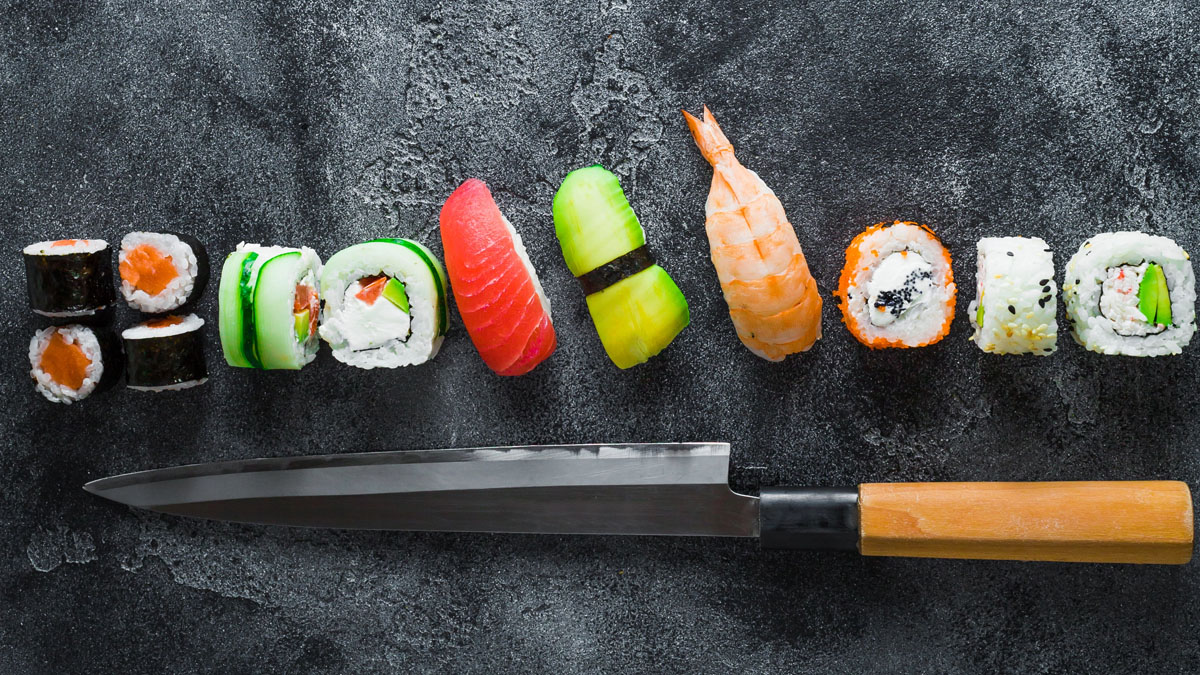
Jiro Ono is the opposite of the Somm crowd in temperament. No cramming, no drama. Just a 10-seat sushi counter in the basement of a Ginza office building, a fixed menu, and the same exacting routine for decades. Toasting nori by hand. Massaging octopus for the better part of an hour so it’s tender. Making apprentices practice tamago for years before they’re allowed to serve it. Quietly placing a piece differently for a left-handed guest.
On paper, cutting fish is not a glamorous job. Jiro made it one by refusing to do it averagely.
The film captured him at 85. He turned 100 in October 2025, and his son Yoshikazu has run the counter day to day since 2023 (Jiro still drops in). The restaurant lost its three Michelin stars with the 2020 guide. Not over quality: it stopped taking public reservations, and Michelin only rates places anyone can book. Which might be the most Jiro reason imaginable.
Newport: skill first, passion second
Cal Newport ties the two films together. “Follow your passion” is horrible career advice. Most people don’t have a pre-existing passion waiting to be matched to a job. The ones who chase it tend to bounce around. What produces satisfying work is getting rare and valuable at something, then trading that skill for autonomy, respect, and money. Passion shows up after competence, not before.
You may love cooking. That doesn’t mean you’ll enjoy working on a restaurant line at 11 p.m. on a Saturday. You may love a good massage. Building a massage practice is a different job entirely. The love is real. It’s just not a business plan.
Why this matters more in 2026
When I first wrote this, the threat to average work was offshoring and cheap templates. Now it’s AI. Anyone can generate a passable logo, a passable blog post, a passable website in an afternoon. Passable is free.
That’s the strongest case for shokunin I can think of. If a machine can produce the average version, the work worth paying for is everything above average: the judgment about which details matter, the taste to know when something’s off, and the care to fix it when nobody would have noticed. That’s what clients buy from a craftsperson. It’s what I try to deliver at Twisted Puppy, and it’s what I look for in anyone I work with.
Trying to figure out what to do with your life? Watch the two films. Read the book. Then pick something useful and get unreasonably good at it. The passion, and the money, tend to follow.
Leave A Comment