

Landing Page 101
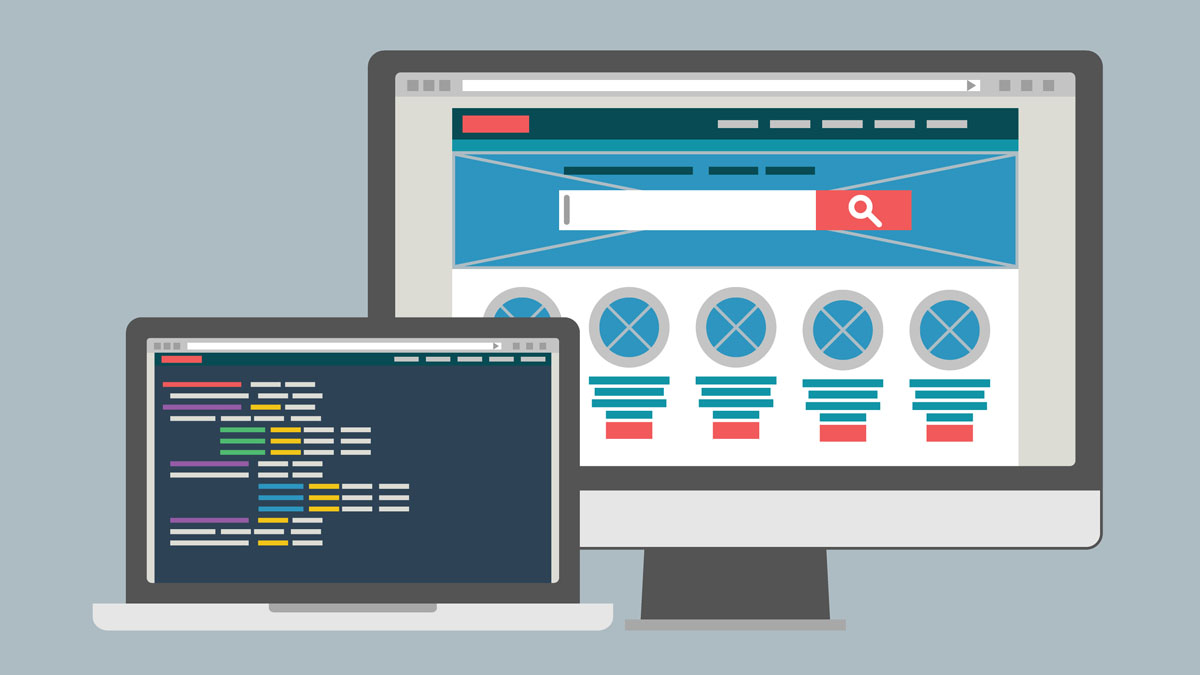
Technically, any page someone lands on is a landing page. That definition is useless. Ours is stricter: a standalone page, separate from your main site, built for one stream of traffic and one action. Subscribe, buy, book, download. Pick one.
That means no navigation. No menu, social icons, or “about us.” Every link off the page is a leak.
Landing pages do one of two jobs. A click-through page warms a visitor up and hands them off to checkout or signup. A lead gen page trades something useful for contact info and starts the sales conversation.
The elements that still matter
Ten years since we wrote about this…the list has barely changed (the idea still works). What has changed is how fast visitors decide whether to stay.
Headline
Claude Hopkins had this right a century ago. Lead with the benefit, and echo the wording of the ad or email that sent them. If the headline doesn’t match what they clicked, it reads as bait-and-switch.
Subheadline
The headline hooks and the subheadline explains: one sentence on what they get and why it’s different.
Hero shot
Show the product working, or the customer after it worked. A stock photo of a handshake doesn’t count.
Unique selling proposition
Answer why you and not the other three tabs they have open. Better, faster, cheaper, easier: pick the one you can prove. Write for scanners up top and put the details lower for the people who read everything.
Offer
Must. Provide. Value. Give them a reason to act now, because “later” means never.
Call to action
One action, repeated if the page runs long. On forms, ask for the minimum. Every extra field costs you leads.
Trust signals
Use client logos, testimonials with real names and faces, and security marks near the form. A page that looks dated suggests a business that might be gone.
Footer
Logo, phone, address, copyright. It’s quiet proof you’re real.
Under the hood
Set up conversion tracking from day one, and make sure the page loads fast enough on a phone that nobody leaves before it renders.
Two copy templates worth stealing
5-Act Structure
The 5-act structure comes from the stage. Act one sets the scene: the reader’s world as it is. Then Act two introduces the problem, and act three raises the stakes by showing what ignoring it costs. Act four is the turn, where your offer arrives. Finally, act five resolves it with the CTA and proof that people like them made the move and came out ahead. Use it for longer pages and considered purchases.
PAS
Problem, Agitate, Solve (PAS) is the short version. Name the problem in the headline, twist the knife in two lines, then present the fix and the button. It suits paid traffic, where you have a few seconds of attention.
What the good landers look like now
Moda’s recent teardown of live pages is worth a read. They found that placement of the main ask has almost nothing to do with page length. What varies is how much the page assumes the visitor already decided before they arrived.
Three pages show the principles above in practice. Vanta’s demo page runs 1.7 screens and has no site navigation, which is the strict definition in action. Lattice’s demo page asks for just three fields: first name, last name, email. And Wistia gates its 2026 State of Video Report behind a single work email field. That’s a lead gen page stripped to the studs.
Your landing page checklist
One audience, one offer, one action. Build every element to push toward it, cut whatever doesn’t, then test and keep testing.
If your ads still point at your homepage, that’s where the money leaks out. Twisted Puppy builds landing pages that plug it.
Leave A Comment